Nicotine & Behavioral Addiction Treatment in West Virginia
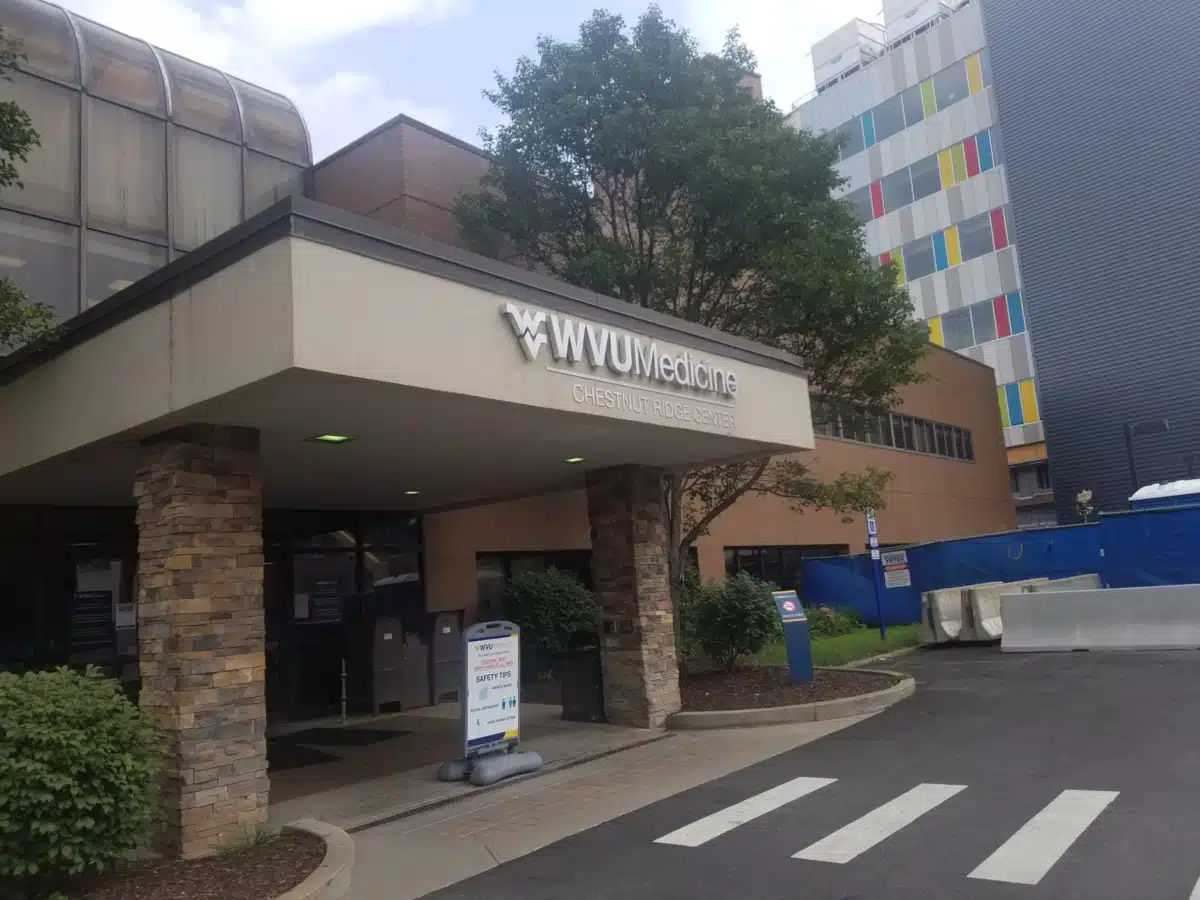
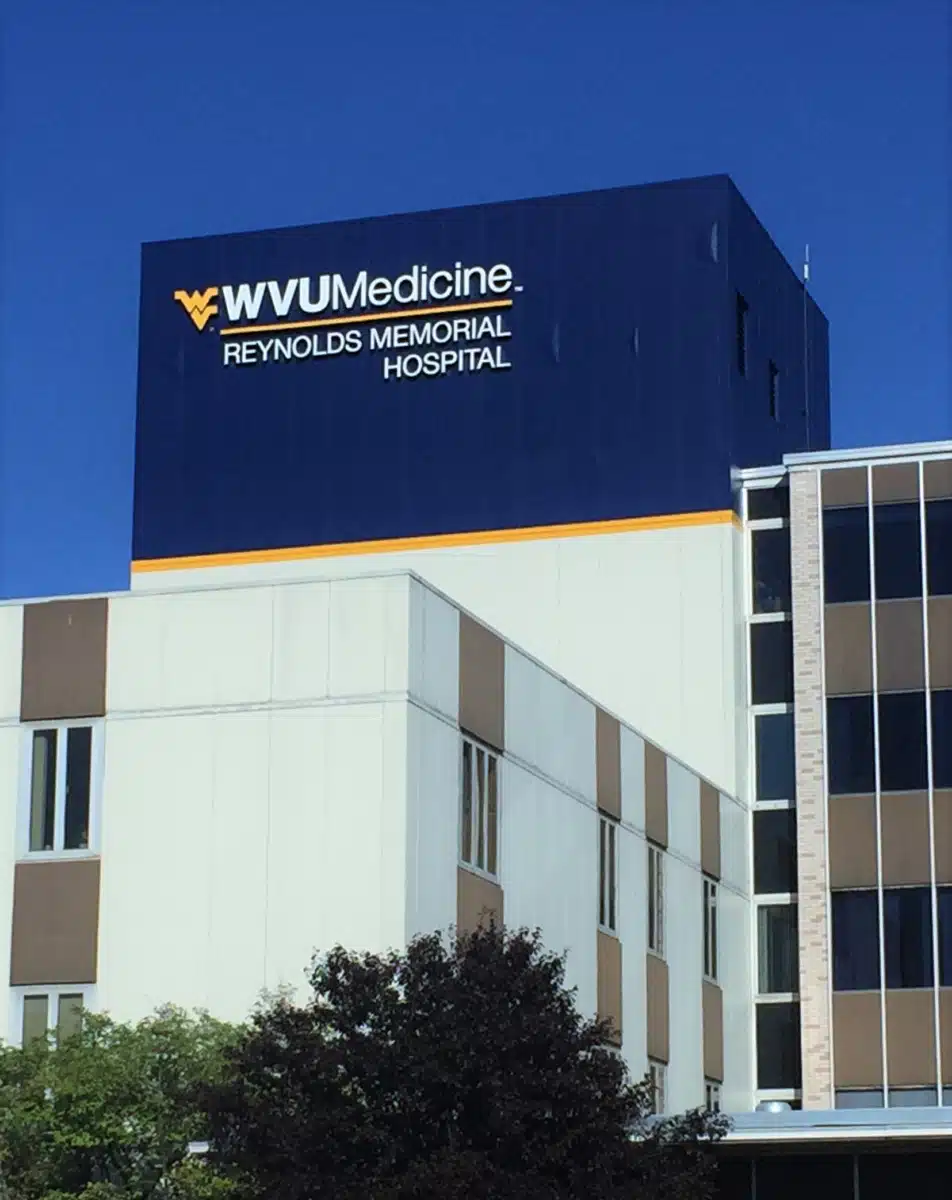
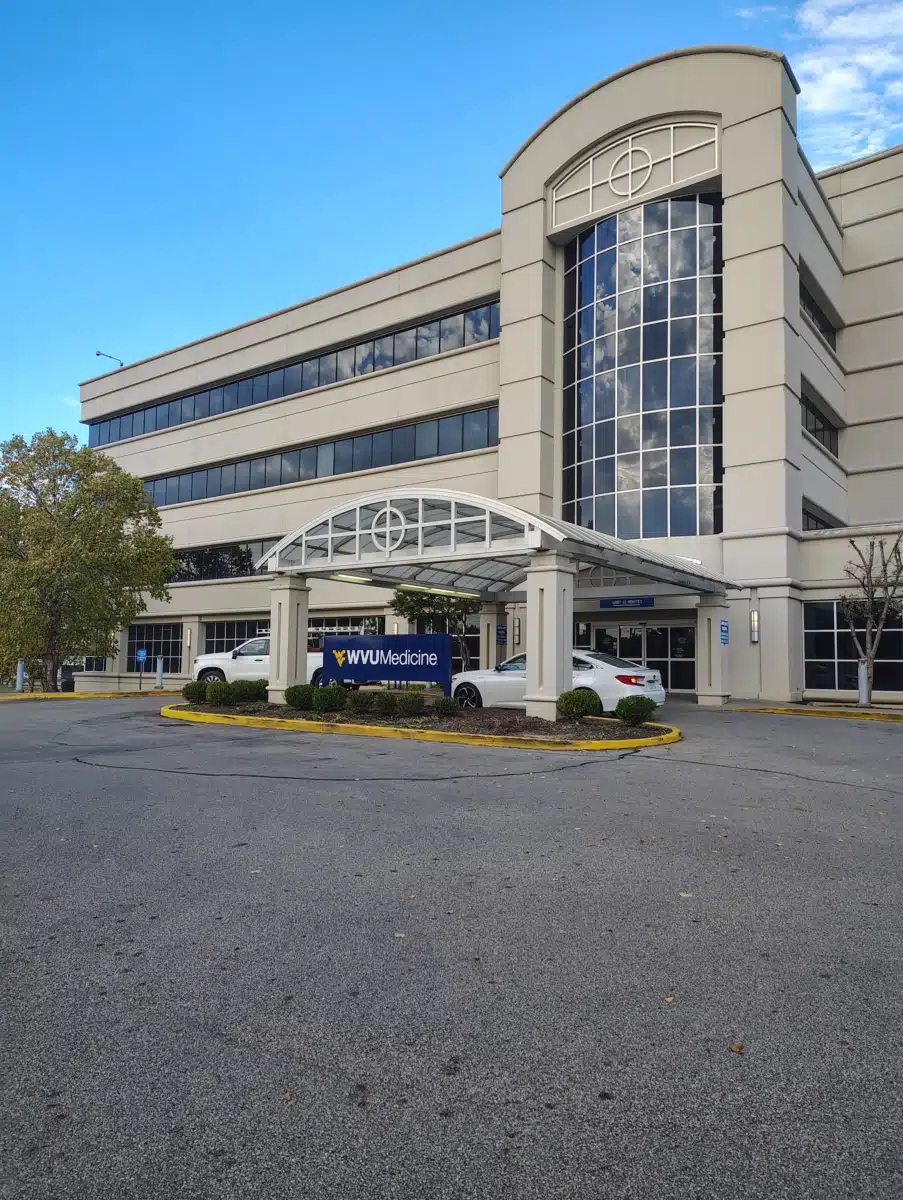
West Virginia has 73 programs working on tobacco dependence and behavioral addictions, led by Huntington's six and Charleston's five, with Morgantown and Parkersburg rounding out the network. Decades of coal-country labor left the state with one of the highest adult smoking rates in the country, and WVU Medicine in Morgantown carries the academic end of quit-smoking care.
Explore Treatment Centers in West Virginia
Not Sure Which Program Fits?
Search the directory or call to talk through your treatment options.
Addiction Treatment in West Virginia
West Virginia's cessation and behavioral-addiction programs run the outpatient-to-residential range, with WVU Medicine and Marshall Health providing the academic and hospital backbone. WV Medicaid, which the state expanded in 2014, pays for quit counseling and medication — bupropion SR, nicotine patches and gum, and varenicline where a prescriber judges it appropriate — a meaningful benefit in a state where many working families count on it. Because the overdose crisis built out so much of the local recovery infrastructure, some of the same clinics now fold tobacco cessation into broader behavioral-health care.
- WVU Medicine and Marshall Health provide teaching-hospital cessation care in Morgantown and Huntington
- WV Medicaid, expanded in 2014, covers quit counseling and cessation medication for eligible adults
- The free WV Tobacco Quitline gives residents a no-cost starting point statewide
- Overdose-crisis infrastructure means many clinics are experienced at folding tobacco cessation into broader behavioral care
WV Medicaid, which the state expanded in 2014, covers tobacco-cessation counseling and FDA-approved quit medication for eligible adults — a benefit many working families rely on. Highmark Blue Cross Blue Shield of West Virginia leads the commercial market, and clinics commonly offer sliding-scale fees where in-person options are thin.
Types of Treatment Available in West Virginia
Medical Detox
Safe, supervised withdrawal with 24/7 medical support and monitoring
Residential Treatment
Live-in programs with structured daily therapy and comprehensive care
Partial Hospitalization (PHP)
Intensive day treatment programs with medical oversight
Intensive Outpatient (IOP)
Flexible scheduling for working professionals and families
Standard Outpatient
Weekly therapy sessions and support groups for ongoing recovery
Sober Living
Transitional housing with peer support and accountability
Expert Tips for West Virginia
Call the WV Tobacco Quitline at 1-800-QUIT-NOW (1-800-784-8669) for free coaching and mailed nicotine-replacement therapy.
In the coal-country counties, ask about video visits before driving over the mountains; SAMHSA's treatment locator filters West Virginia clinics by service and setting.
Huntington and Morgantown carry the state's deepest cessation expertise through their teaching hospitals — worth the trip for a complex quit attempt.
Official state resources and organizations providing addiction treatment support in West Virginia.
WV Tobacco Quitline — free coaching at 1-800-QUIT-NOW (1-800-784-8669)
State resource for addiction treatment in West Virginia
West Virginia Bureau for Behavioral Health
State resource for addiction treatment in West Virginia
National Resources
Federal resources and hotlines available 24/7 for addiction support.
Free, confidential, 24/7, 365-day-a-year treatment referral and information service
Find treatment facilities in your area
Provides 24/7 free and confidential support for people in distress
Research and information on drug use and addiction
Your Questions, Answered
This website provides general information about addiction treatment facilities. It is not a substitute for professional medical advice, diagnosis, or treatment. If you are experiencing a mental health crisis, please call 988 (Suicide & Crisis Lifeline) or 911 for immediate assistance. For substance abuse help, call SAMHSA at 1-800-662-4357.
Data sourced from SAMHSA Treatment Locator, state licensing databases, and facility submissions.