Nicotine & Behavioral Addiction Treatment in Pennsylvania
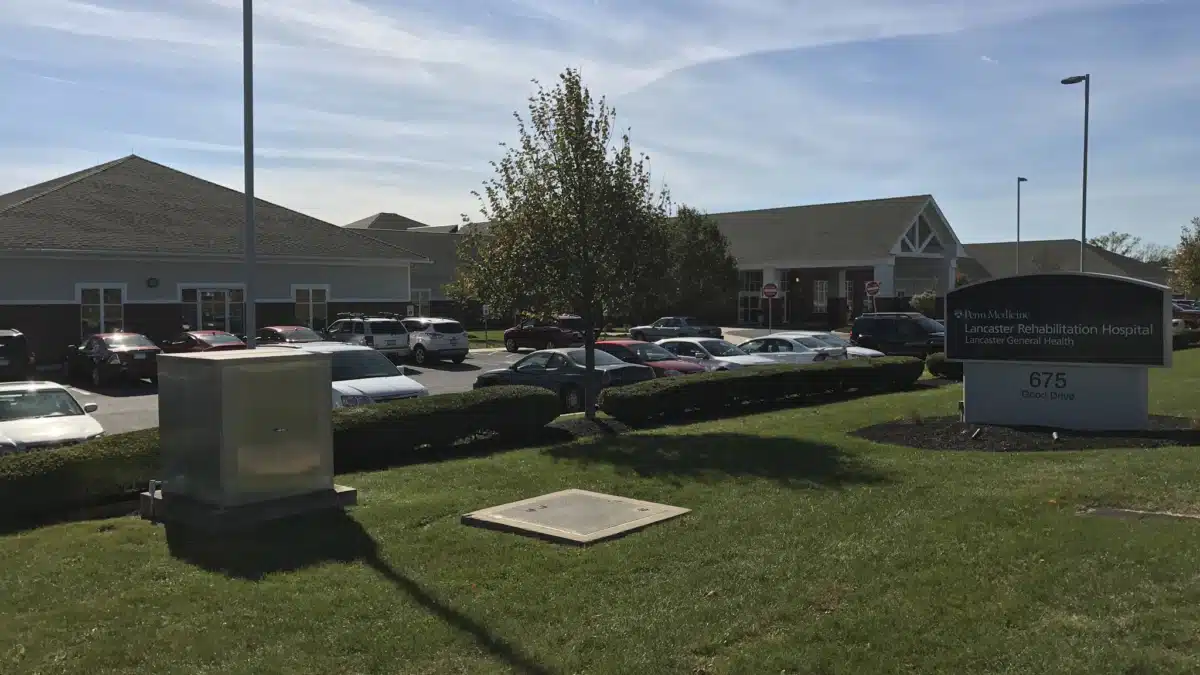
The federal treatment locator counts 475 Pennsylvania programs for nicotine addiction and behavioral addictions — 50 in Philadelphia, 27 in Pittsburgh, and 16 more in Erie on the Great Lakes shore. Much of the state's cessation research is driven by UPMC in Pittsburgh and Penn Medicine in Philadelphia, and Pennsylvania's Centers of Excellence model links that clinical depth to primary care across more than 45 sites.
Explore Treatment Centers in Pennsylvania
Not Sure Which Program Fits?
Search the directory or call to talk through your treatment options.
Addiction Treatment in Pennsylvania
Pennsylvania treatment spans big-city academic medicine and small Appalachian and Rust Belt clinics, from Philadelphia and Pittsburgh out to Erie, Scranton, and the coal-country towns between them. The state's Centers of Excellence connect addiction care to primary care at more than 45 sites, and most programs pair counseling with quit medication such as bupropion (Zyban). Medicaid, which Pennsylvania expanded in 2015, covers cessation counseling and medication for eligible adults.
- Centers of Excellence connect cessation care to primary care from a single point of contact
- UPMC in Pittsburgh and Penn Medicine and Jefferson in Philadelphia bring research-grade tobacco treatment
- Medicaid, expanded in 2015, covers counseling and quit medication
- Coverage stretches from dense urban networks to rural Appalachian clinics
Pennsylvania expanded Medicaid in 2015, and Medical Assistance covers tobacco-cessation counseling and medication. Commercial carriers and Medicare cover cessation benefits too; the Centers of Excellence can help coordinate coverage across providers.
Types of Treatment Available in Pennsylvania
Medical Detox
Safe, supervised withdrawal with 24/7 medical support and monitoring
Residential Treatment
Live-in programs with structured daily therapy and comprehensive care
Partial Hospitalization (PHP)
Intensive day treatment programs with medical oversight
Intensive Outpatient (IOP)
Flexible scheduling for working professionals and families
Standard Outpatient
Weekly therapy sessions and support groups for ongoing recovery
Sober Living
Transitional housing with peer support and accountability
Expert Tips for Pennsylvania
Call the PA Free Quitline first — it's free at 1-800-QUIT-NOW (1-800-784-8669) and pairs well with a clinic's medication plan.
Ask about a Center of Excellence; they coordinate cessation care with primary care from one contact point.
Use SAMHSA's treatment locator to compare programs by county — coverage runs deep around Philadelphia and Pittsburgh but thins in the northern tier.
Official state resources and organizations providing addiction treatment support in Pennsylvania.
Pennsylvania Department of Drug and Alcohol Programs
State agency that coordinates addiction treatment and licenses providers across Pennsylvania.
1-800-662-4357PA Get Help Now
Round-the-clock helpline connecting residents to treatment information and referrals.
1-800-662-4357National Resources
Federal resources and hotlines available 24/7 for addiction support.
Free, confidential, 24/7, 365-day-a-year treatment referral and information service
Find treatment facilities in your area
Provides 24/7 free and confidential support for people in distress
Research and information on drug use and addiction
Your Questions, Answered
This website provides general information about addiction treatment facilities. It is not a substitute for professional medical advice, diagnosis, or treatment. If you are experiencing a mental health crisis, please call 988 (Suicide & Crisis Lifeline) or 911 for immediate assistance. For substance abuse help, call SAMHSA at 1-800-662-4357.
Data sourced from SAMHSA Treatment Locator, state licensing databases, and facility submissions.