Nicotine & Behavioral Addiction Treatment in Texas
The federal treatment locator counts 401 programs for nicotine dependence alongside behavioral addictions in Texas, clustered in Houston, Dallas, San Antonio, and Austin. Among the states that never expanded Medicaid, Texas is the largest by far, so its coverage gap — widest along the border and in the colonias of the Rio Grande Valley — pushes many working adults toward the free Texas Tobacco Quitline and sliding-scale clinics.
Explore Treatment Centers in Texas
Not Sure Which Program Fits?
Search the directory or call to talk through your treatment options.
Addiction Treatment in Texas
Texas treatment stretches across enormous distances, from the Texas Medical Center in Houston — where MD Anderson Cancer Center runs a dedicated tobacco-treatment program — to small clinics in the rural west. Most care is outpatient: counseling together with bupropion or nicotine replacement therapy such as the patch and gum. Video visits and the statewide quitline carry cessation support into border counties and the Panhandle, where the nearest in-person clinic can be hours away.
- One of the country's largest treatment networks, spread across Houston, Dallas, San Antonio, and Austin
- MD Anderson Cancer Center's tobacco-treatment program in Houston sets a high clinical standard
- A free statewide quit line — the Texas Tobacco Quitline — offers bilingual coaching and mailed nicotine replacement
- Sliding-scale and safety-net clinics help uninsured working adults in the coverage gap
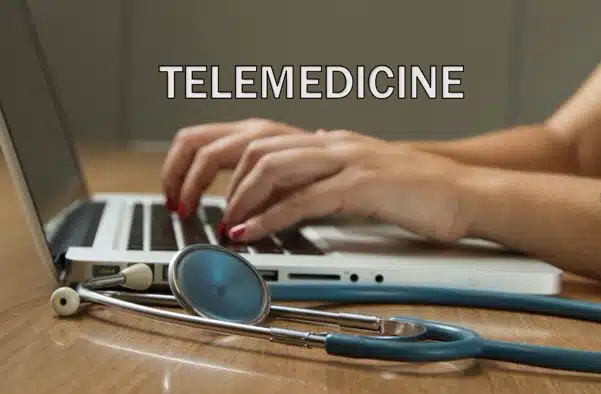
- Telehealth reaches border, colonia, and West Texas communities far from a clinic
Texas has not expanded Medicaid and carries the largest coverage gap in the country, so a big share of uninsured working adults earn too much for Medicaid yet too little for affordable commercial plans. Texas Medicaid does cover cessation counseling and medication for those who qualify, and the SAMHSA treatment locator breaks the network down city by city for anyone comparing options. The free Texas Tobacco Quitline and sliding-scale clinics carry much of the load for everyone else.
Types of Treatment Available in Texas
Medical Detox
Safe, supervised withdrawal with 24/7 medical support and monitoring
Residential Treatment
Live-in programs with structured daily therapy and comprehensive care
Partial Hospitalization (PHP)
Intensive day treatment programs with medical oversight
Intensive Outpatient (IOP)
Flexible scheduling for working professionals and families
Standard Outpatient
Weekly therapy sessions and support groups for ongoing recovery
Sober Living
Transitional housing with peer support and accountability
Expert Tips for Texas
Call the Texas Tobacco Quitline, free at 1-800-QUIT-NOW (1-800-784-8669), for coaching and mailed nicotine gum or patches — bilingual support is available.
If you are uninsured, ask about sliding-scale fees and county safety-net systems like JPS in Fort Worth or the public hospitals in Houston and San Antonio.
In West Texas or the Rio Grande Valley, telehealth may reach you faster than the nearest in-person clinic.
For border and colonia residents, the quitline mails nicotine replacement anywhere, which sidesteps long drives to a pharmacy.
Official state resources and organizations providing addiction treatment support in Texas.
Texas Health and Human Services - Substance Use
State agency coordinating behavioral-health and substance-use services, including tobacco cessation.
1-877-541-7905Texas Statewide Behavioral Health Helpline
24/7 crisis line and treatment referrals for nicotine and behavioral-addiction care.
1-833-986-1919National Resources
Federal resources and hotlines available 24/7 for addiction support.
Free, confidential, 24/7, 365-day-a-year treatment referral and information service
Find treatment facilities in your area
Provides 24/7 free and confidential support for people in distress
Research and information on drug use and addiction
Your Questions, Answered
This website provides general information about addiction treatment facilities. It is not a substitute for professional medical advice, diagnosis, or treatment. If you are experiencing a mental health crisis, please call 988 (Suicide & Crisis Lifeline) or 911 for immediate assistance. For substance abuse help, call SAMHSA at 1-800-662-4357.
Data sourced from SAMHSA Treatment Locator, state licensing databases, and facility submissions.