Nicotine & Behavioral Addiction Treatment in Maryland
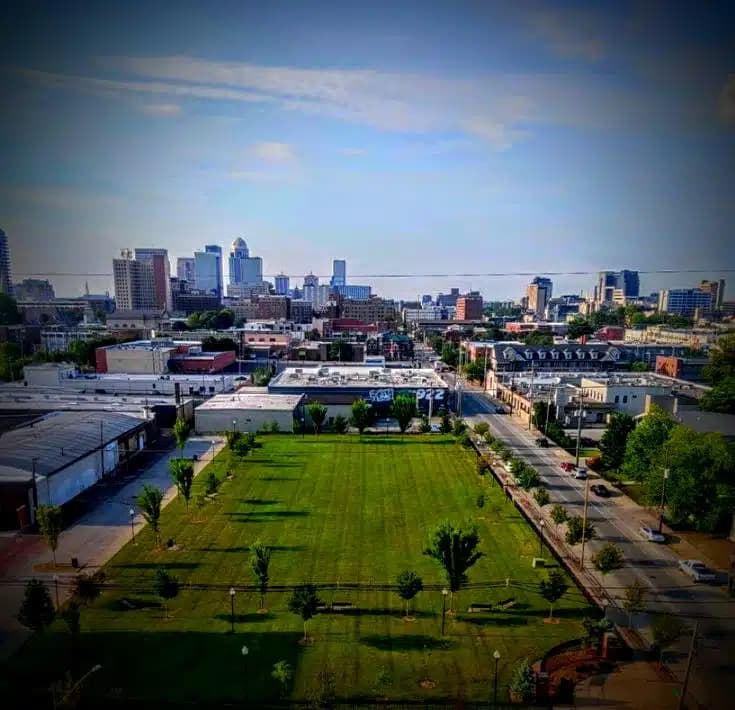
Maryland packs 418 listed programs for smoking and behavioral addictions into one of the country's smallest footprints, from Cumberland in the western panhandle to Salisbury on the Eastern Shore. One number defines Maryland treatment geography: 110 of those programs sit inside Baltimore, where Johns Hopkins has studied tobacco dependence for decades.
Explore Treatment Centers in Maryland
Not Sure Which Program Fits?
Search the directory or call to talk through your treatment options.
Addiction Treatment in Maryland
Maryland's cessation care runs deepest along the I-95 corridor: Baltimore's academic medical centers — Johns Hopkins and the University of Maryland — sit within referral distance of most of the state's counseling programs, and Montgomery County adds a strong suburban bench from Silver Spring to Germantown. Maryland Medicaid has covered quit counseling and medications like varenicline and nicotine replacement since the 2014 expansion. Frederick, Hagerstown, and Salisbury keep Maryland treatment within in-person reach for the west and the Shore.
- Baltimore's 110 listed programs concentrate more cessation capacity in one city than most states hold in total.
- Johns Hopkins tobacco-dependence research gives Maryland care an unusually short path from study to clinical practice.
- Medicaid expansion in 2014 brought quit counseling and cessation medications to most low-income adults.
- Strict parity enforcement means Maryland commercial plans generally cover behavioral addiction counseling on medical terms.
Maryland Medicaid covers tobacco cessation counseling and FDA-approved quit medications, with the 2014 expansion extending those benefits to most low-income adults. CareFirst BlueCross BlueShield dominates the commercial market, and Maryland's parity enforcement is among the region's stricter — cessation and behavioral addiction care are usually covered like any other medical claim.
Types of Treatment Available in Maryland
Medical Detox
Safe, supervised withdrawal with 24/7 medical support and monitoring
Residential Treatment
Live-in programs with structured daily therapy and comprehensive care
Partial Hospitalization (PHP)
Intensive day treatment programs with medical oversight
Intensive Outpatient (IOP)
Flexible scheduling for working professionals and families
Standard Outpatient
Weekly therapy sessions and support groups for ongoing recovery
Sober Living
Transitional housing with peer support and accountability
Expert Tips for Maryland
The Maryland Tobacco Quitline at 1-800-QUIT-NOW (1-800-784-8669) provides free coaching statewide and can point you toward covered counseling near you.
Near Baltimore, ask about the academic programs — Johns Hopkins and University of Maryland clinics accept community referrals, not just research volunteers.
Federal workers in the Washington suburbs should check FEHB cessation benefits — most plans cover counseling plus quit medications with little out-of-pocket cost.
Official state resources and organizations providing addiction treatment support in Maryland.
Maryland Behavioral Health Administration
Maryland's oversight agency for public mental health and addiction services, including cessation and behavioral addiction programs
1-800-422-0009Maryland Crisis Hotline
Statewide line answered around the clock for crisis support and referrals into treatment
1-800-422-0009National Resources
Federal resources and hotlines available 24/7 for addiction support.
Free, confidential, 24/7, 365-day-a-year treatment referral and information service
Find treatment facilities in your area
Provides 24/7 free and confidential support for people in distress
Research and information on drug use and addiction
Your Questions, Answered
This website provides general information about addiction treatment facilities. It is not a substitute for professional medical advice, diagnosis, or treatment. If you are experiencing a mental health crisis, please call 988 (Suicide & Crisis Lifeline) or 911 for immediate assistance. For substance abuse help, call SAMHSA at 1-800-662-4357.
Data sourced from SAMHSA Treatment Locator, state licensing databases, and facility submissions.