Nicotine & Behavioral Addiction Treatment in Kentucky
Kentucky lists 410 programs for tobacco dependence and behavioral addictions — a network sized to an adult smoking rate that has ranked among the nation's highest for decades — with Louisville's 36 and Lexington's 33 out front. What sets Kentucky nicotine addiction treatment apart is reach: regional clinics carry quit counseling into Appalachian towns like Ashland, Hazard, and Morehead.
Explore Treatment Centers in Kentucky
Not Sure Which Program Fits?
Search the directory or call to talk through your treatment options.
Addiction Treatment in Kentucky
Kentucky's cessation and behavioral addiction programs — 410 in SAMHSA's facility locator — run the full outpatient-to-residential range, with university medicine anchoring the top end: UK HealthCare's Markey Cancer Center treats tobacco dependence as core clinical work. Kentucky Medicaid has covered quit counseling and medications such as varenicline, bupropion SR, and nicotine replacement since the 2014 expansion. West of the metros, clinics from Paducah to Hopkinsville keep Kentucky treatment moving without a long drive.
- The 2014 Medicaid expansion made Kentucky an early Southern adopter of covered quit counseling and cessation medications for low-income adults.
- Louisville and Lexington together hold nearly 70 listed programs, with university health systems adding research-grade tobacco care.
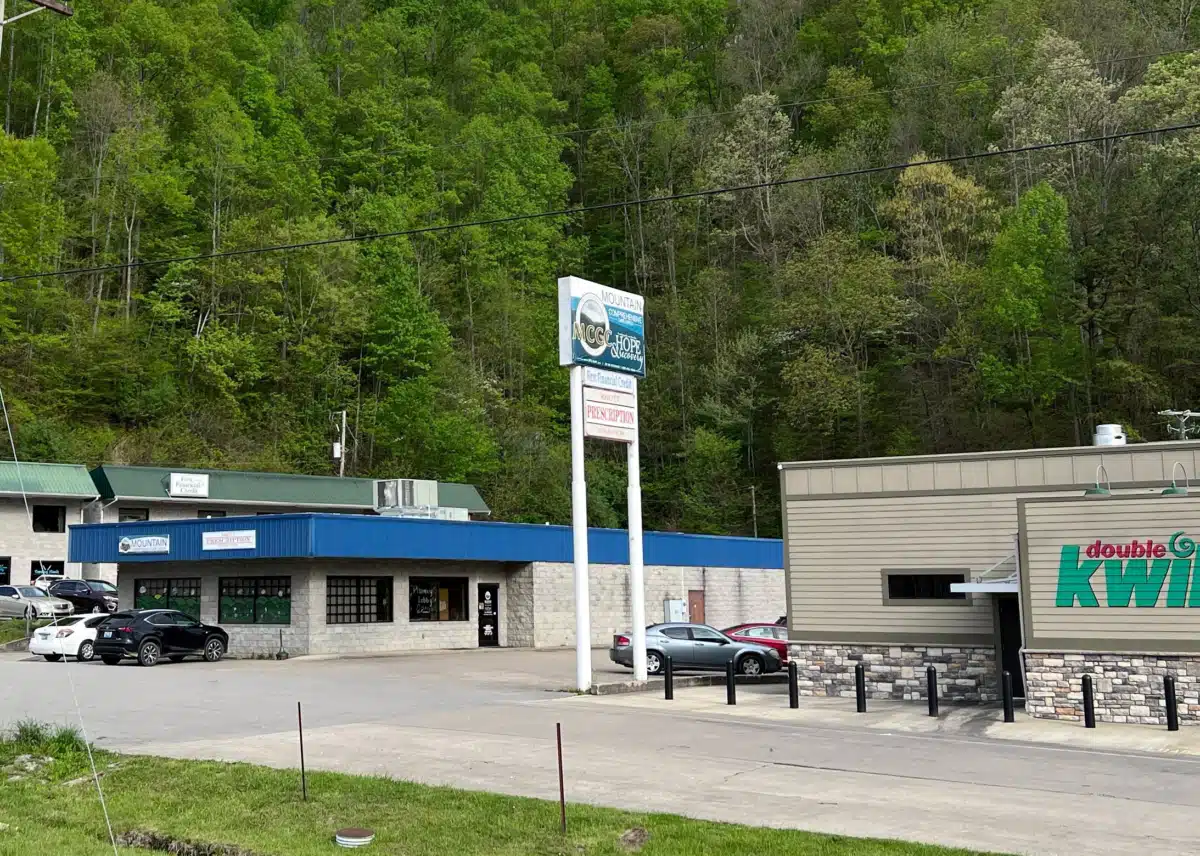
- Regional clinics in the Appalachian east mean many mountain-county residents can start counseling without leaving home ground.
- Larger Kentucky clinics increasingly run behavioral addiction tracks — gambling included — alongside tobacco cessation.
Kentucky Medicaid, expanded since 2014, covers tobacco cessation counseling and FDA-approved quit medications for eligible adults. Anthem Blue Cross and Blue Shield and other commercial carriers include cessation benefits in most employer plans, and Medicare adds counseling visits for older Kentuckians.
Types of Treatment Available in Kentucky
Medical Detox
Safe, supervised withdrawal with 24/7 medical support and monitoring
Residential Treatment
Live-in programs with structured daily therapy and comprehensive care
Partial Hospitalization (PHP)
Intensive day treatment programs with medical oversight
Intensive Outpatient (IOP)
Flexible scheduling for working professionals and families
Standard Outpatient
Weekly therapy sessions and support groups for ongoing recovery
Sober Living
Transitional housing with peer support and accountability
Expert Tips for Kentucky
Start with Quit Now Kentucky at 1-800-QUIT-NOW (1-800-784-8669) — coaching is free, and eligible callers can have nicotine replacement mailed while local counseling gets arranged.
Ask whether a program pairs counseling with varenicline or bupropion SR; the combination consistently beats either approach alone in U.S. Public Health Service guidance.
Mountain-county residents should ask about telehealth first — Lexington and Louisville providers regularly see eastern Kentucky clients by video.
Official state resources and organizations providing addiction treatment support in Kentucky.
Kentucky Cabinet for Health and Family Services
State resource for addiction treatment in Kentucky
Quit Now Kentucky — 1-800-QUIT-NOW (1-800-784-8669)
State resource for addiction treatment in Kentucky
Kentucky Medicaid tobacco cessation benefits
State resource for addiction treatment in Kentucky
National Resources
Federal resources and hotlines available 24/7 for addiction support.
Free, confidential, 24/7, 365-day-a-year treatment referral and information service
Find treatment facilities in your area
Provides 24/7 free and confidential support for people in distress
Research and information on drug use and addiction
Your Questions, Answered
This website provides general information about addiction treatment facilities. It is not a substitute for professional medical advice, diagnosis, or treatment. If you are experiencing a mental health crisis, please call 988 (Suicide & Crisis Lifeline) or 911 for immediate assistance. For substance abuse help, call SAMHSA at 1-800-662-4357.
Data sourced from SAMHSA Treatment Locator, state licensing databases, and facility submissions.